Adelaide’s pickleball scene has grown steadily over the last couple of years, and the city is now home to a decent mix of indoor centres, community courts, and dedicated clubs spread across its sprawling suburbs. Whether you’re a complete beginner hunting for a casual hit on a free court or a seasoned player looking for competition nights and coaching, there’s something here for you.
This guide covers what to expect from Adelaide’s pickleball options, how prices compare across different venue types, and what to look for depending on your skill level and schedule.
What Makes Adelaide’s Scene Different
Adelaide has a few things working in its favour. The city’s network of recreation centres — particularly through council-run facilities in the northern, eastern, and southern suburbs — means there are more converted badminton and tennis courts available for pickleball than you might expect for a city its size. Prices at these facilities tend to be lower than in Sydney or Melbourne, with casual court hire often sitting in the $10–18 per person range for a 90-minute session.
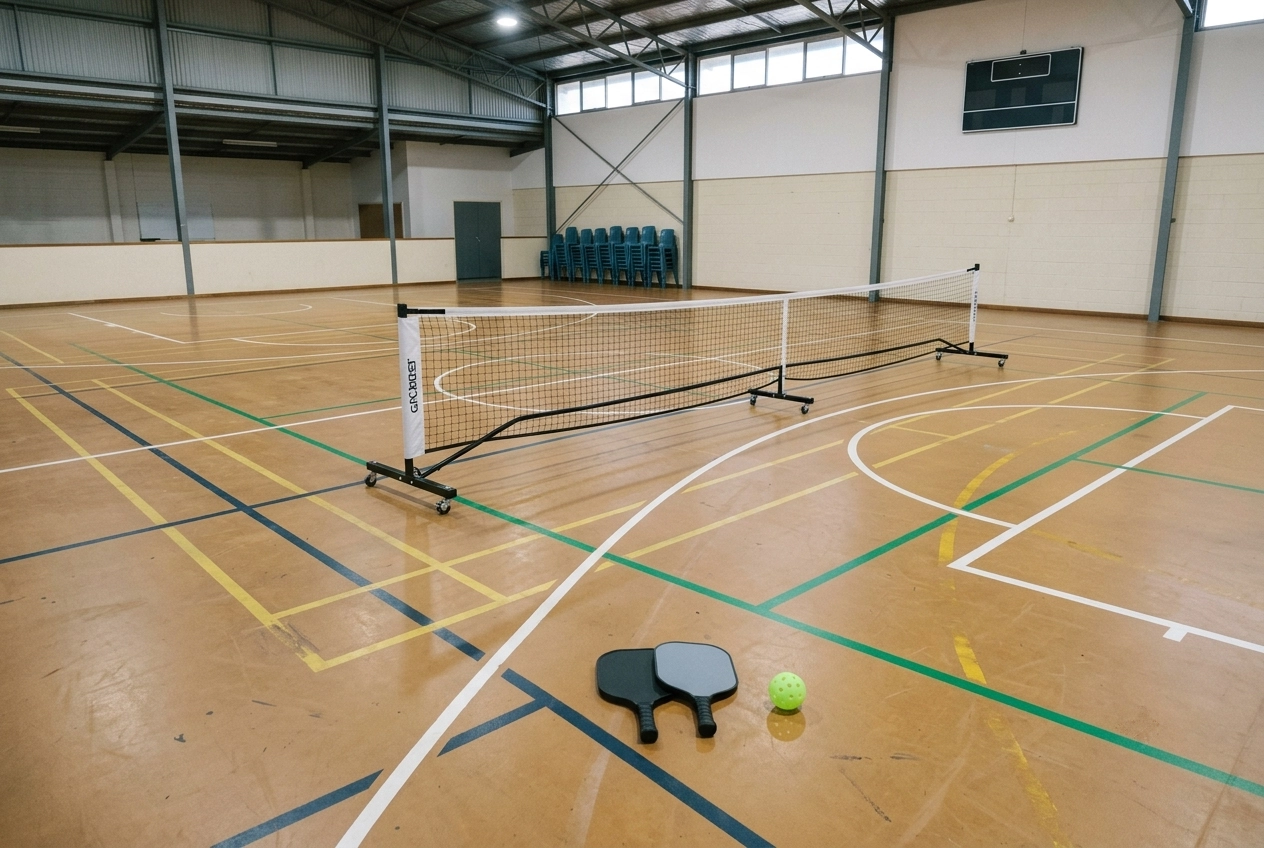
The flip side is that purpose-built pickleball centres are still relatively rare. Most venues have converted existing multi-use courts, so the surface and line quality can vary. If you’re playing competitively or just want a consistent bounce, it’s worth checking whether a venue has permanent pickleball lines or is working off temporary tape.
Indoor Courts: All-Weather Options
Adelaide’s winters are mild by Australian standards, but regular players quickly discover that wind is the bigger enemy of good pickleball outdoors. For that reason, indoor courts are the most popular choice for consistent play.
Several recreation and leisure centres across the metro area offer pickleball on indoor courts, typically converted from badminton layouts. A 4-court indoor setup is common, and many venues run designated pickleball time blocks rather than general hire — meaning you turn up, pay a casual fee, and play with whoever else is there. This social drop-in format is how most Adelaide players get their weekly fix.
Session costs at indoor centres generally run from $12–20 per person, depending on the council area and whether the venue charges a small membership levy on top. Some facilities offer a slightly cheaper rate if you book in advance online rather than walking in.
Outdoor and Free Courts
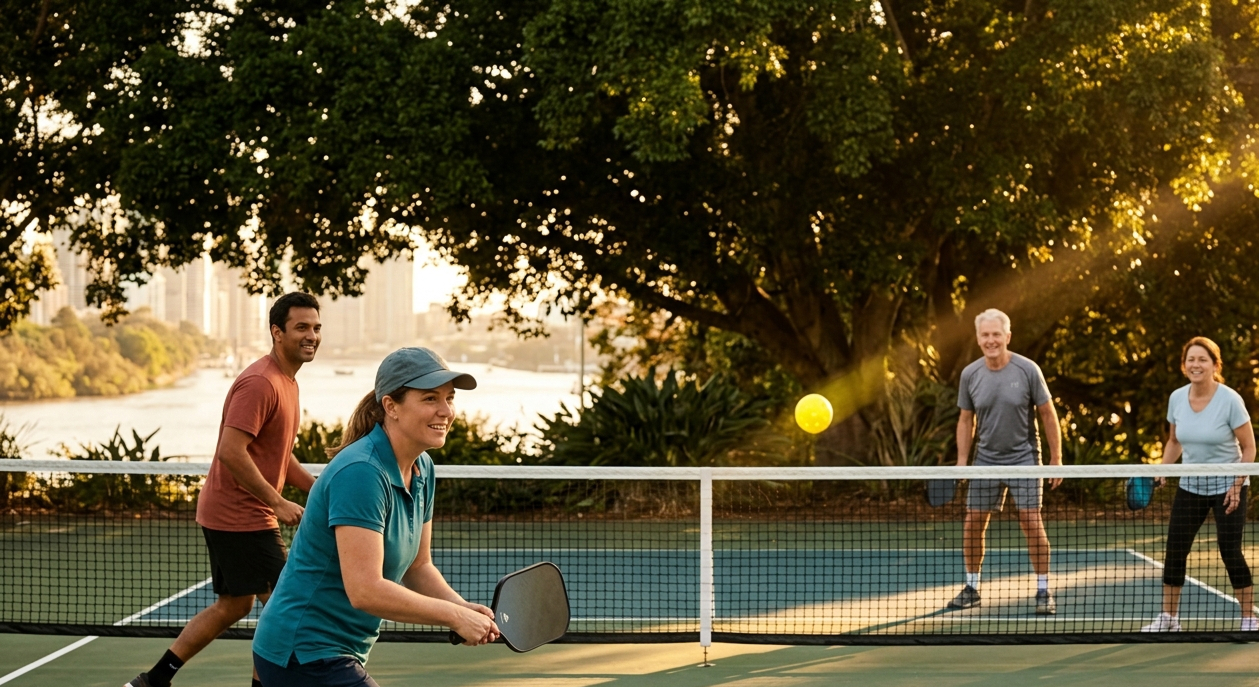
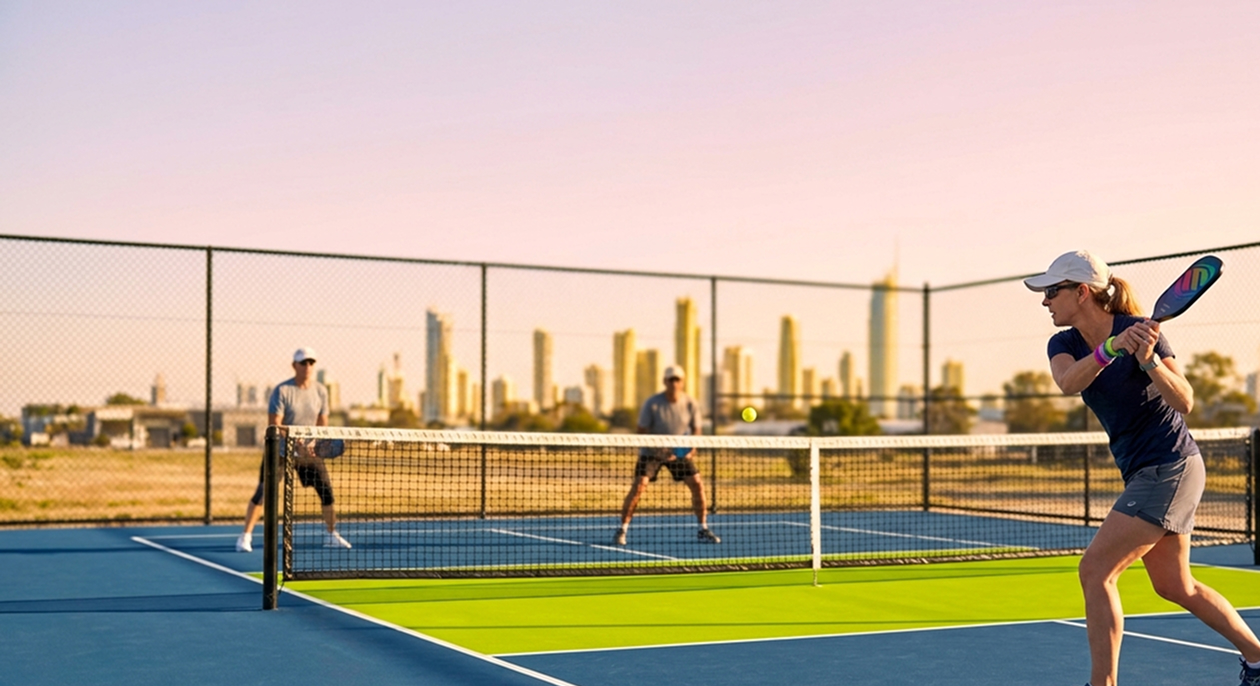
For players who want to get on a court without paying, Adelaide does have a handful of outdoor options where pickleball lines have been painted or where the local club has permission to set up portable nets. These tend to be concentrated in inner northern suburbs and around the Glenelg and Henley Beach area on the western coast.
Free outdoor courts are worth knowing about, especially if you’re introducing friends to the game. The lower-pressure environment suits beginners well — there’s no booking, no clock ticking, and no pressure to perform for anyone else paying for court time. The downside is the wind off the Gulf, which can make the dink game genuinely unpredictable on breezy afternoons.
You can browse all Adelaide pickleball courts on our directory to find both free and paid options near you, with details on surface type and whether courts are permanent or require a portable net setup.
For Beginners: Where to Start
If you’ve never played pickleball, Adelaide is a good city to learn in. The smaller court size means even beginners can cover the space reasonably well, and the social culture at drop-in sessions is generally welcoming — most players are happy to explain the rules or warm up with newcomers.
A few practical tips for first-timers in Adelaide:
- Start with a drop-in social session rather than trying to book your own court. You’ll be paired with more experienced players naturally, and you won’t need to bring a partner.
- Borrow a paddle before buying one. Many centres have loaners or small paddle libraries. A cheap borrowed paddle for two sessions is smarter than spending $80 on one you might dislike.
- Arrive 10–15 minutes early. Drop-in sessions fill up quickly, especially the popular Wednesday and Saturday morning slots, and courts operate on a rotation system once you’re there.
Some community clubs and leisure centres also run beginner clinics, typically priced around $20–30 for a 90-minute group lesson. These are excellent value if you want structured instruction before diving into open play.
For Social Players: The Regular Circuit
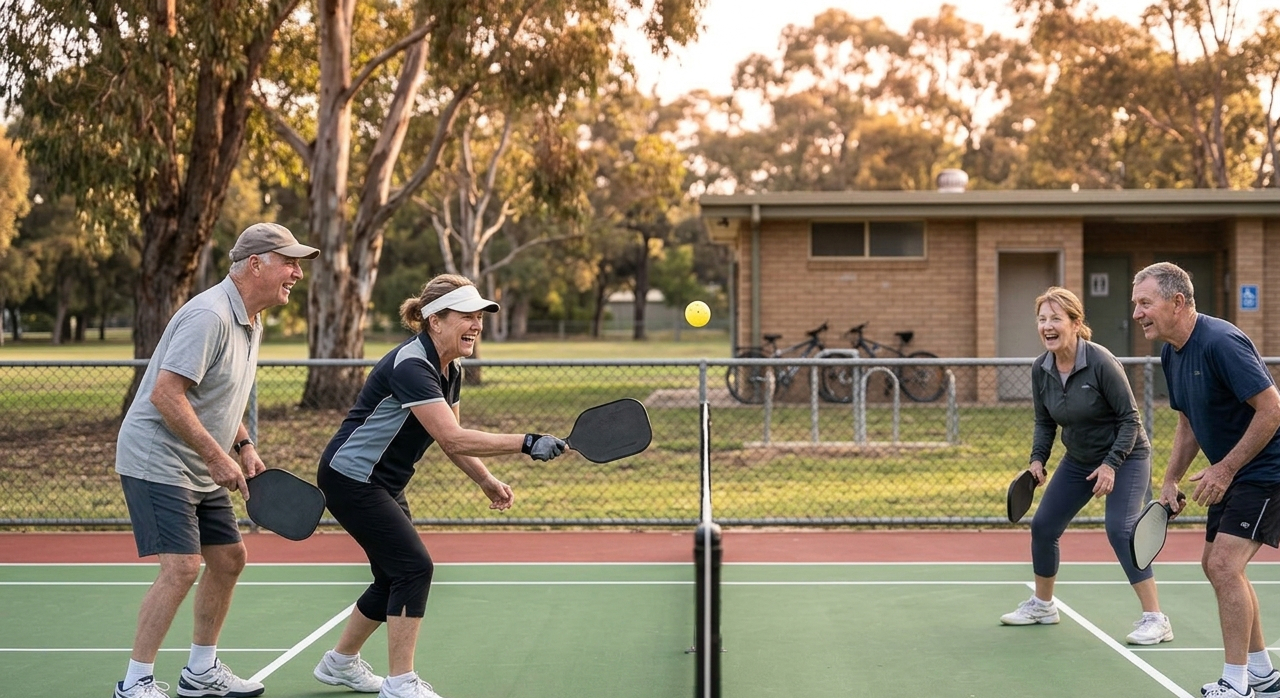
Social players make up the bulk of Adelaide’s pickleball community, and the drop-in format suits this group perfectly. Once you’ve found a venue you like — whether that’s a centre in Tea Tree Gully, a club in the inner south, or an outdoor court near the coast — it’s easy to build a regular routine around the same session times and familiar faces.
Many Adelaide clubs have also started running round-robin social nights, usually on Tuesday or Thursday evenings. These are structured so that you rotate partners and opponents throughout the session, which is a great way to meet people and improve faster than sticking with the same group each week. Expect to pay $10–15 for these organised evenings, sometimes including a basic umpiring system for the later games.
For competitive social players, local associations are beginning to run graded interclub competitions on weekends. Entry fees for these events vary, but most sit in the $20–35 range for a half-day tournament format.
For Competitive Players: Coaching and Leagues
Adelaide’s competitive pickleball is still developing, but it’s moving in the right direction. A small number of venues now offer group coaching clinics run by accredited coaches, focusing on areas like dinking consistency, the transition zone, and serve returns. Group clinics typically run $25–40 per person for a 60–90 minute session.
If you want to fast-track your improvement, a private lesson with a local coach will usually cost $60–100 per hour depending on their experience level. This is comparable to what you’d pay for tennis coaching and is worth it if you’re preparing for a tournament.
State-level tournaments are held a few times per year, usually at a multi-court indoor venue with enough space to run multiple divisions simultaneously. These tournaments require a Pickleball Australia registration, so if you’re planning to compete, it’s worth getting that sorted in advance.
What to Look for in an Adelaide Venue
With so many converted venues rather than purpose-built ones, it pays to know what questions to ask before showing up:
The court surface matters more than many beginners realise. Hardwood gymnasium floors play faster than synthetic surfaces and are easier on your joints if you’re playing multiple sessions per week. Outdoor concrete is common for free courts and isn’t a dealbreaker, but adds impact over time.
Lighting is relevant for evening sessions — look for venues with consistent overhead lighting rather than those relying on high windows that create shadow zones on the court.
Net quality varies significantly at multi-use facilities. Portable nets that sag in the middle will fundamentally change the game. Permanent pickleball nets at $0 height are increasingly common at dedicated venues, but worth confirming before you make the drive.
Where to Start
The easiest next step is to browse the full Adelaide court listings and filter by what matters most to you — indoor vs. outdoor, free vs. paid, or whether a venue runs social sessions. You can also check the broader South Australia court directory if you’re willing to travel slightly further for better facilities.
Pick one venue, show up to a social session, and you’ll have a much better sense of what the local scene offers than any guide can tell you. Adelaide’s pickleball community is friendly and growing — the best time to get involved is now.