Brisbane is quietly becoming one of Australia’s best cities to play pickleball. The subtropical climate means outdoor courts are usable for most of the year, the pickleball community has grown sharply since 2023, and a proper mix of dedicated centres, council parks and tennis clubs now caters to everyone from first-timers to tournament regulars. Whether you are visiting for a weekend or a local looking for your regular court, here is an honest guide to where the games are.
Why Brisbane is a great city for pickleball
Most Australian cities have to route around weather at some point. Melbourne evenings can be cold, Sydney summers flood outdoor courts, and Perth’s heat makes midday play questionable. Brisbane sits in a sweet spot: outdoor courts are comfortable from April through October, and even in the wet season there are enough indoor options to keep the schedule full. The other thing working in Brisbane’s favour is geography. The city is sprawling but well-served by venues on the north side, south side and inner suburbs, so you are rarely more than a 20-minute drive from a court.
The Brisbane scene also tends to be welcoming. Queensland clubs have put real effort into beginner pathways and social formats, which means it is easier to walk into a session here without feeling like an intruder.
Dedicated pickleball venues
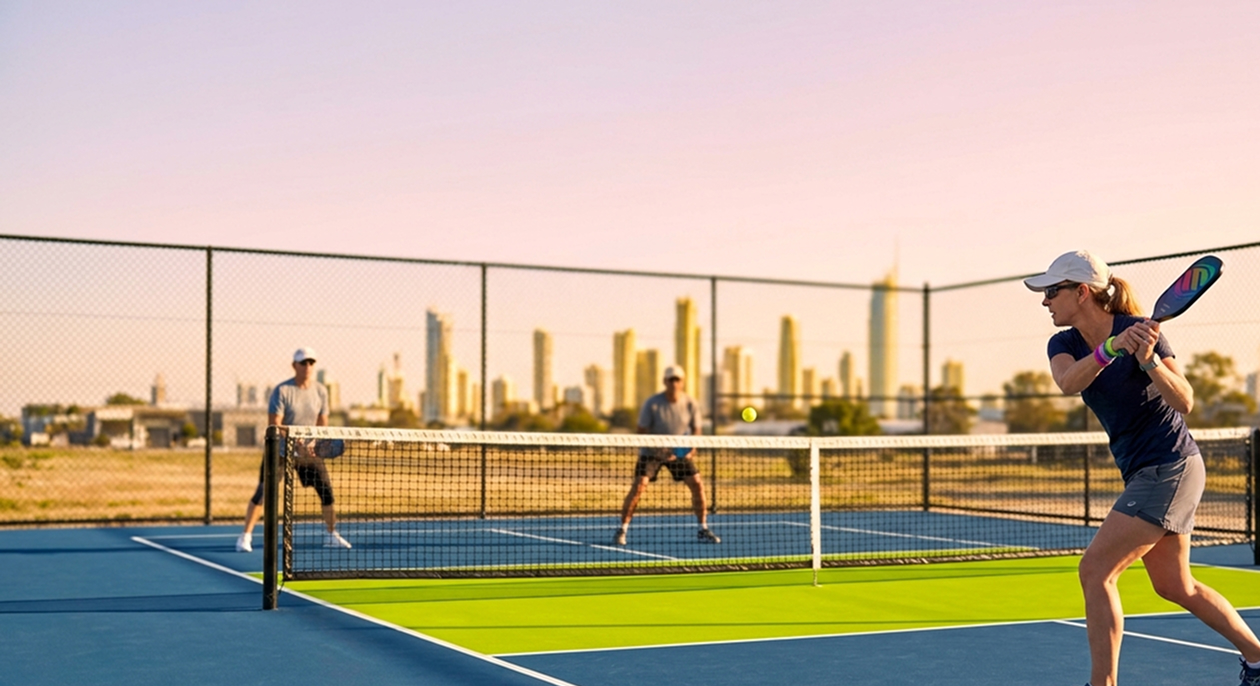
The strongest option in Brisbane for serious play is the Queensland Tennis Centre in Tennyson, which has dedicated outdoor pickleball courts on a hard acrylic surface alongside the main tennis facility. Non-members pay around $23 per hour off-peak and $26 at peak times. The venue has hosted the Brisbane Pickleball Classic, so the standard of courts and the organisation around bookings is solid. The location in the south side, near the river, is convenient if you are coming from the inner suburbs or Ipswich direction.
On the north side, Pickle Kit Pickleball in Mitchelton fills a different niche. This is primarily a coaching and development venue rather than a drop-in centre, which makes it particularly valuable for newer players. Group coaching is capped at four players per court, so you actually get proper instruction rather than being lost in a crowd. They run Come and Try sessions for people who have never held a paddle, and structured beginner practice for those who have had a few games but want to improve before joining open social play. If you are new to the sport, starting here before joining a bigger social session is genuinely worthwhile.
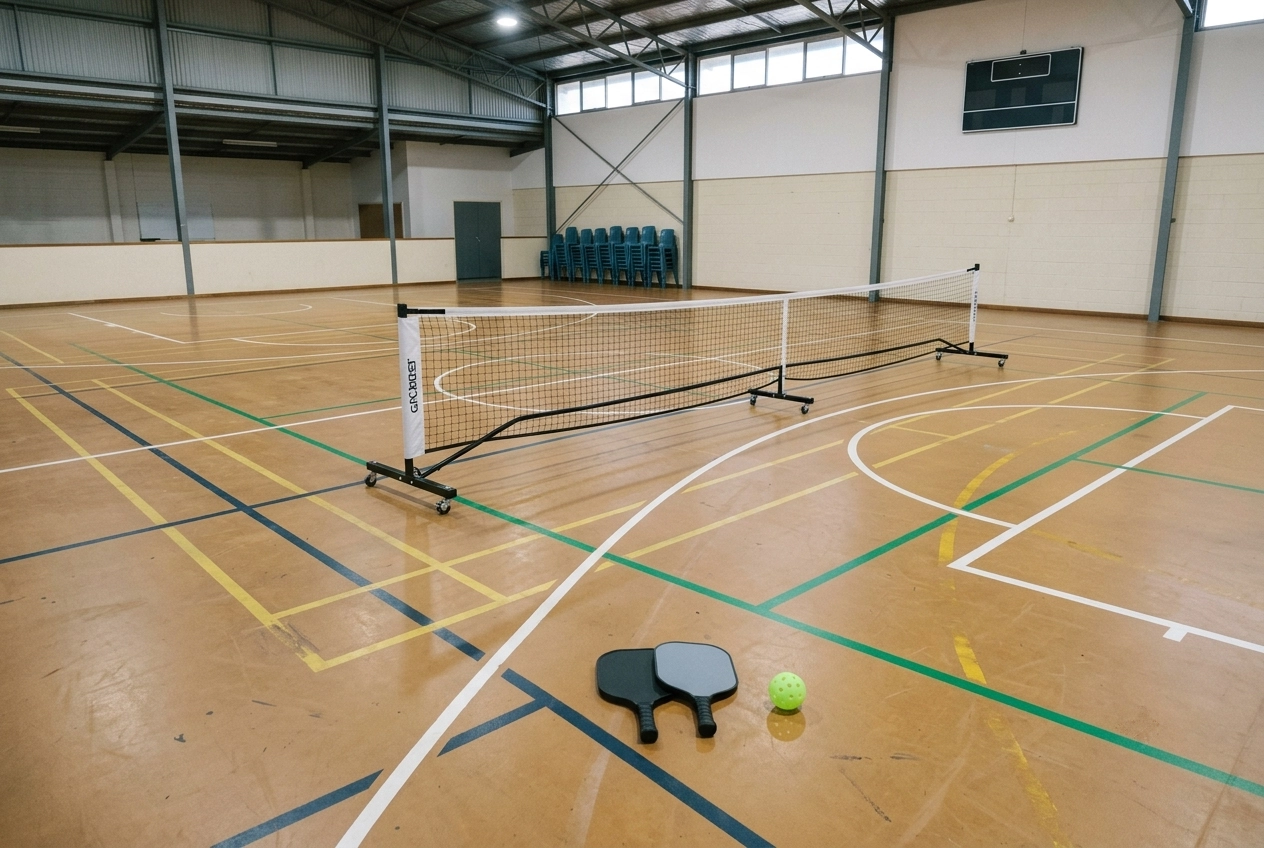
For indoor options, Brisbane City Indoor Sports in Coorparoo is one of the more affordable drop-in options in the city. Registered players pay $5 a session, and unregistered players $15, so the first time you go it costs a little more but subsequent visits are very cheap. Indoor play here is a good option through the wet season when even Brisbane’s outdoor courts can be unplayable.
Free public courts
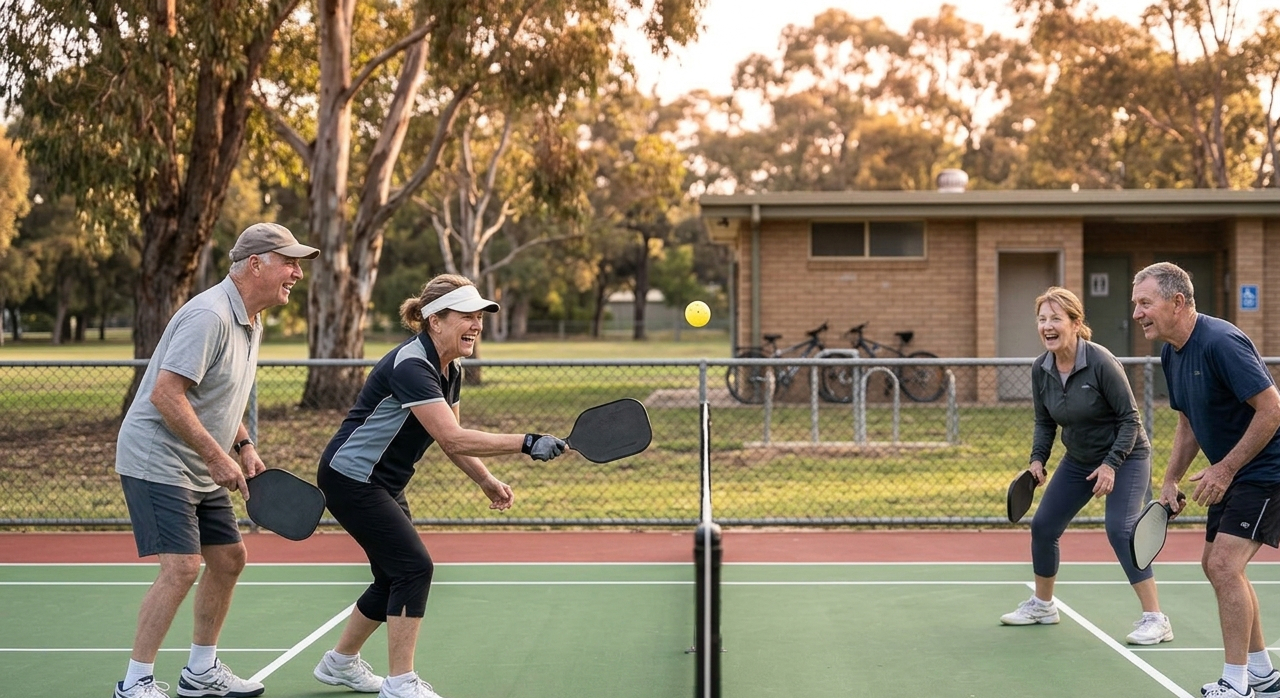
Brisbane’s council parks have quietly added pickleball lines over the past couple of years. McCook Park in Newmarket on the north side has two free outdoor hard courts with parking and toilets nearby. These are first come, first served — no booking, no fee. They are excellent for casual hits with a friend or for practising between organised sessions.
The catch with council courts everywhere in Australia, Brisbane included, is that most do not have permanent nets. You will need to check in advance or bring a portable net. When nets are in place and the weather is good, these courts fill up on weekends, so get there early or go on a weekday morning.
For beginners
Brisbane is a genuinely good place to learn pickleball, largely because the clubs here have thought about the new-player experience. Pickle Kit Pickleball’s Come and Try format is the best starting point: small groups, proper instruction, equipment provided. From there, Brisbane City Indoor Sports gives you somewhere cheap to reinforce what you’ve learned before committing to a club membership.
A few things to know before your first session. Most venues will lend paddles and supply balls, but call ahead to confirm. Wear flat, non-marking court shoes — tennis or squash shoes work perfectly, and running shoes are fine in a pinch. Dress for movement rather than fashion; pickleball rallies are short but intense and you will sweat in Brisbane’s humidity.
Expect to lose badly at first. The sport looks simple and plays deceptively complex. Most beginners underestimate the importance of the kitchen line (the non-volley zone in front of the net) and spend their first few sessions getting punished for it. That is normal, and it corrects quickly.
For social players
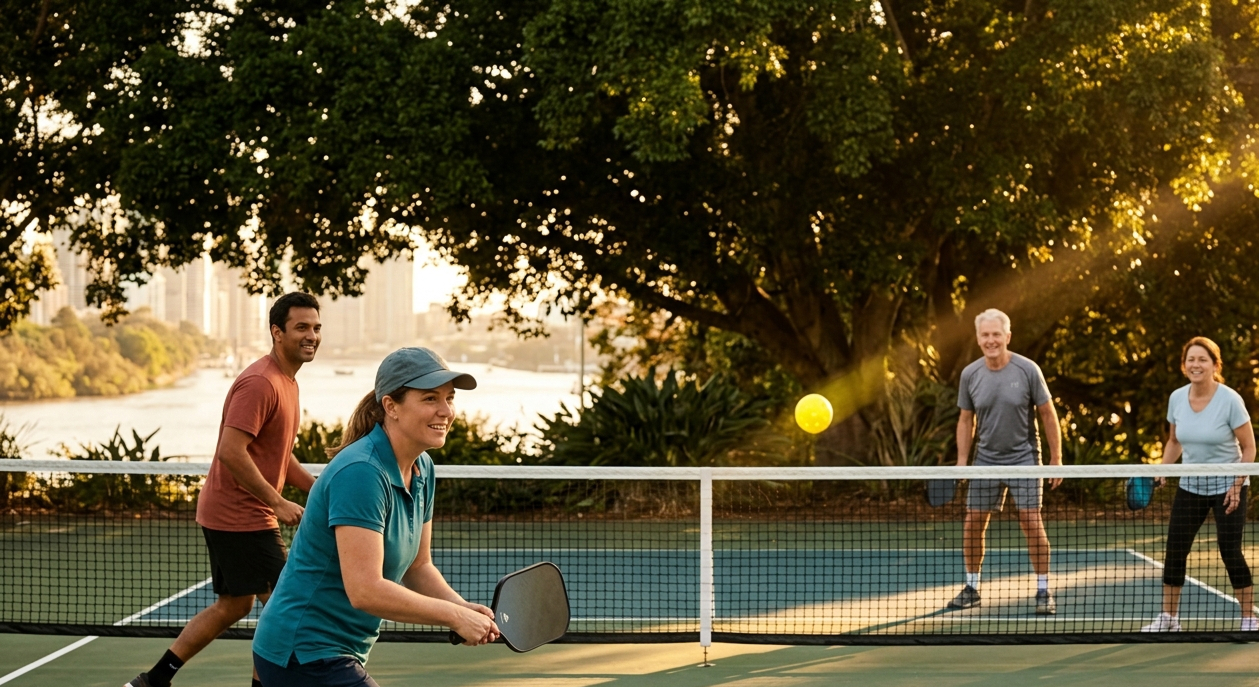
The social scene in Brisbane is built around club sessions that mix levels and keep games rotating. Look for venues that run round-robin formats — these are the most social, because you play with a new set of partners and opponents every few games rather than sticking to one match.
Session prices across Brisbane typically range from around $14 to $25 per session depending on venue type, membership status and time of day. Indoor venues at peak evening times sit at the higher end; daytime council-run sessions and off-peak slots are cheaper. A club membership almost always pays for itself within six to eight sessions, so if you are going once a week or more, it is worth comparing the membership rates.
Group sizes vary significantly. Small sessions of 8 to 12 players let you get more court time and more varied games; larger open-play sessions of 20 or more can mean more waiting between games but a wider social circle. Neither is better — it depends what you are after.
For competitive players
Brisbane has enough players now to sustain graded play and regular tournaments. The Queensland Tennis Centre’s history with the Brisbane Pickleball Classic means it has the infrastructure for rated events, and Pickleball Queensland maintains a calendar of sanctioned competitions across the state. If you want to play in tournaments, registering with Pickleball Queensland is the practical first step — they list affiliated clubs, upcoming events, and can point you toward DUPR-rated play for official ranking purposes.
The competitive scene in Brisbane is not as deep as Melbourne or Sydney yet, but it is growing quickly. If you are a strong player and want high-level regular competition, the recommendation is to join a club that runs graded sessions so you are consistently playing people near your level rather than cycling through beginners at open drop-in events.
Practical things to know before you go
Book ahead for evening sessions. Popular evening timeslots at dedicated venues fill up, and walking in without a booking is increasingly unreliable. Most Brisbane venues use an online booking system, so check each venue’s website or the court listing.
Wet season logistics. Brisbane’s wet season runs roughly from November through March. Heavy afternoon storms are common and outdoor sessions can be cancelled or shortened. Indoor venues become noticeably more popular during this period, and popular timeslots book out further in advance. If you are planning a regular schedule through summer, locking in an indoor membership is worth considering.
Court shoes matter more than they seem. Most indoor venues require non-marking soles, and on outdoor hard courts without proper shoes your knees will know about it after an hour.
Bring water. Even in mild Brisbane weather, pickleball is more aerobic than it looks. Courts rarely have fountains, so bring a water bottle.
Where to start
The Brisbane listings in this directory cover the full range of venues across the metro area, from the Queensland Tennis Centre and Pickle Kit through to free council parks. You can filter by indoor courts, free courts, venues with coaching, or courts with lights if you need evenings. If you want to explore Queensland more broadly, the Queensland state page covers venues from the Sunshine Coast to the Gold Coast and beyond. Browse the listings, pick a venue that matches your budget and schedule, and go and have a hit — the rest follows quickly.