Melbourne has quietly become one of Australia’s most active pickleball cities. What started as a handful of enthusiasts converting tennis courts in community centres has evolved into a proper network of dedicated facilities, organised social competitions, and thriving club communities spread across the metro. Whether you’re picking up a paddle for the first time or looking for a competitive weekly comp, there’s a court within reach almost wherever you are in the city.
This guide cuts through the noise and tells you what you actually need to know: where to play, what to expect to pay, and how to find your level.
The Melbourne Pickleball Scene in 2026
The growth has been genuinely impressive. A few years ago, finding a dedicated pickleball court in Melbourne meant hunting for a converted badminton court at an understaffed leisure centre. Today the city has purpose-built indoor facilities with permanent court lines, dedicated nets, and proper kitchen zones — along with an expanding network of outdoor courts in public parks and sports precincts.
That growth has brought variety. You’ll find early-morning drop-in sessions packed with retirees, lunchtime “all abilities” socials at inner-city venues, and evening competitive ladders that take things seriously. The community is largely welcoming and self-organising, which is part of what makes the Melbourne scene work.
Indoor Dedicated Centres
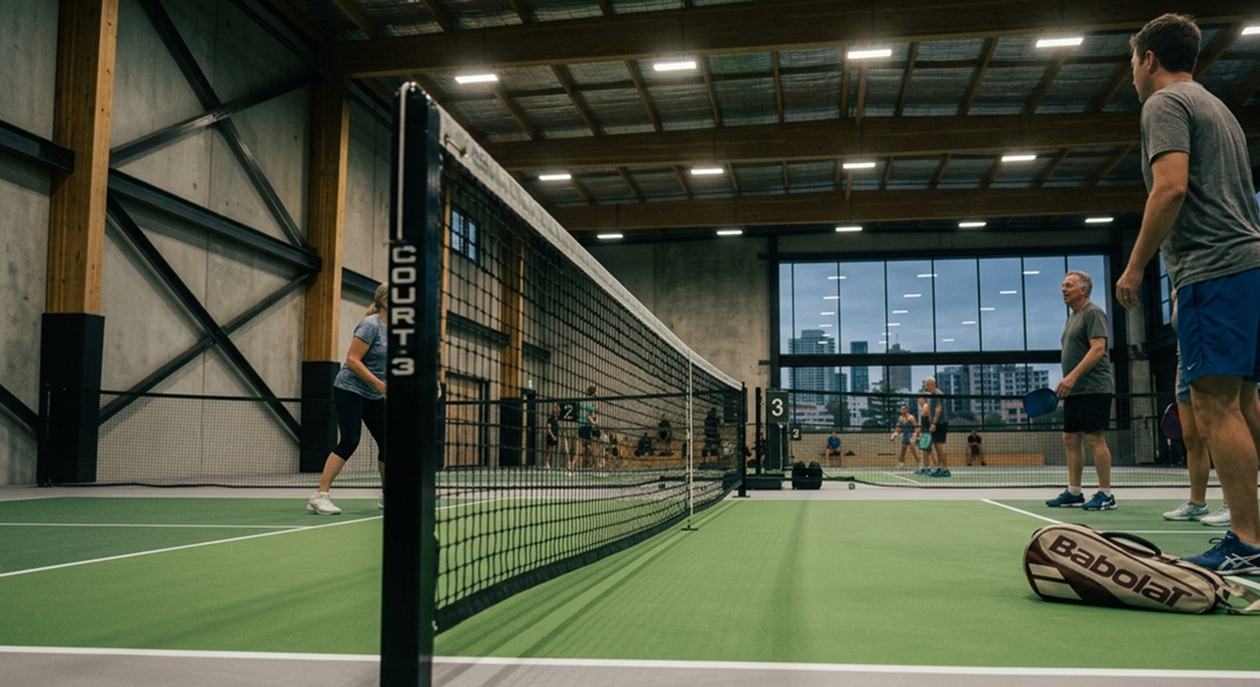
For year-round play regardless of Melbourne’s famously changeable weather, indoor centres are your best option. The city’s dedicated pickleball facilities — particularly those in the eastern and south-eastern suburbs — typically run four to eight permanent courts under a single roof. That means no court-marking setup, no waiting for a net to be dragged out, and consistent surface quality.
Most dedicated centres operate a mix of formats: structured social sessions where beginners can drop in and be matched with similarly skilled players, open court time where you bring your own group, and formal club nights with round-robin formats. Book ahead for evening sessions — they fill quickly. Daytime slots during the week are often more available and sometimes priced lower.
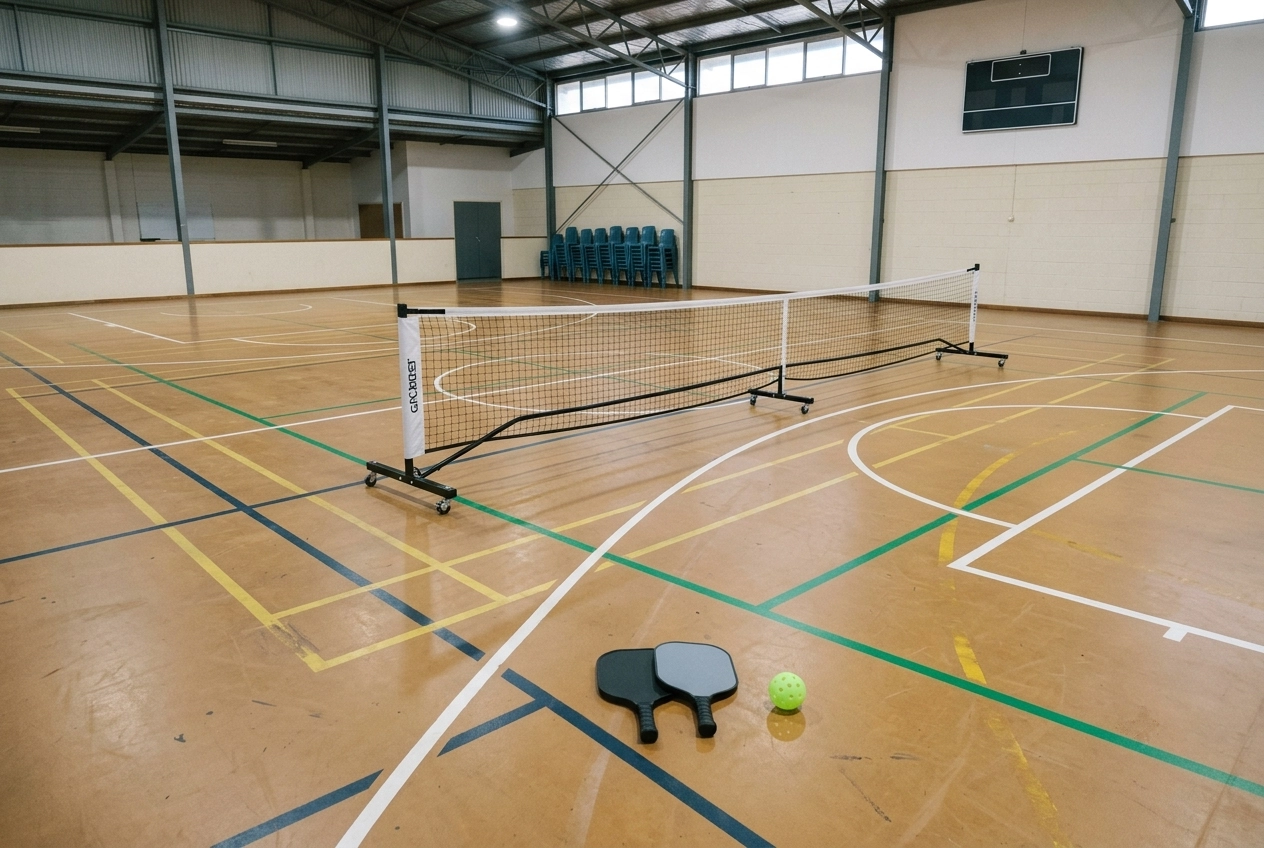
Indoor facilities in Melbourne’s northern and western corridors have been catching up in recent years, with several recreation centres having added dedicated lines and permanent nets to existing multi-sport halls. These are slightly less polished than purpose-built venues but represent solid options if you’re in those parts of the city and don’t want to cross town.
Outdoor Courts: Parks and Public Facilities
Outdoor pickleball in Melbourne is free to access at a growing number of parks and council-managed sports facilities. Some councils have been proactive — you’ll find properly marked courts with permanent nets in several bayside and inner-eastern parks, ready to use without a booking. Others have been slower to act, but community groups have successfully petitioned for temporary lines to be added to existing tennis court surfaces.
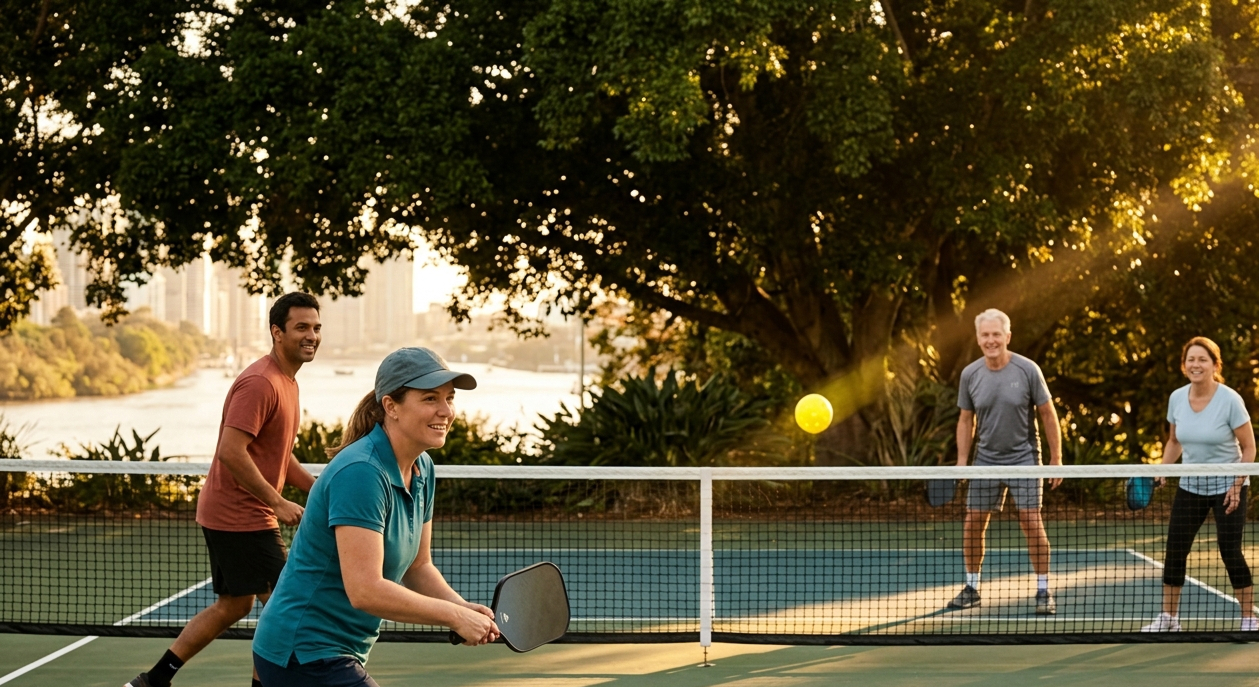
The tradeoff is obvious: outdoor courts are subject to Melbourne’s weather. Rain in winter can mean soggy sessions, and summer heat makes a noon session on exposed concrete a serious commitment. That said, morning play in the warmer months on a well-located outdoor court — particularly along the bay or in parkland settings — is genuinely hard to beat.
For the full picture of outdoor options across the city, browse Melbourne courts on the directory and filter by outdoor court type. Many listings include notes on whether the court has shade, lighting for evening play, and whether nets are permanent or need to be set up.
What to Expect to Pay
Costs vary significantly depending on the type of venue and session format.
Free public courts are exactly that — free. You bring your own paddle, balls, and net if the facility doesn’t have a permanent one. These are fantastic for casual play with people you already know.
Casual drop-in sessions at recreation centres and club-organised socials typically run $10–20 per session. Some venues charge more for peak evening slots or include racquet hire in a slightly higher fee. It’s worth checking whether the session fee includes ball hire or whether you need to bring your own.
Membership-based clubs offer the best value if you’re planning to play regularly. Annual or quarterly memberships usually unlock unlimited open court access and reduced rates on organised sessions. A typical club membership in Melbourne sits somewhere between $100–250 per year, though this varies.
Dedicated indoor facilities with coached or programmed sessions can run higher — $20–30 per head for structured clinics is not unusual. These are generally worth it for the instruction quality and consistent game-matching.
For Beginners: Where to Start
If you’ve never played before, don’t just turn up at an open social session and hope for the best. Look specifically for venues that advertise beginner-specific sessions or “all abilities” mornings. These are structured to give new players a proper introduction to scoring, the non-volley zone, and the basic rules before throwing them into open play.
Many Melbourne clubs run free or low-cost introductory sessions — sometimes just once a month, sometimes weekly. Loaner paddles are usually available at these events, so you don’t need to buy equipment before you know whether you enjoy it. A few sessions in and you’ll have a much clearer sense of whether a $60 beginner paddle or a $150 intermediate option makes more sense for your game.
The social dimension matters as well. Pickleball is almost universally played with a cheerful, inclusive culture, and Melbourne’s beginner communities reflect that. Turn up once, play well or badly, and you’ll almost certainly be invited back.
Social Players and the Drop-In Scene
Melbourne’s social pickleball scene is built around drop-in formats — structured casual sessions where players rotate partners and opponents throughout the morning or evening. If you’re the type who enjoys meeting new people and isn’t particularly fussed about tracking your rating, the drop-in circuit is ideal.
Most organised social sessions in Melbourne run for around two hours. They tend to be self-sorting: you arrive, get matched into games based on rough skill level, and rotate. Courts in well-organised clubs will have a designated session host or experienced player managing the rotation.
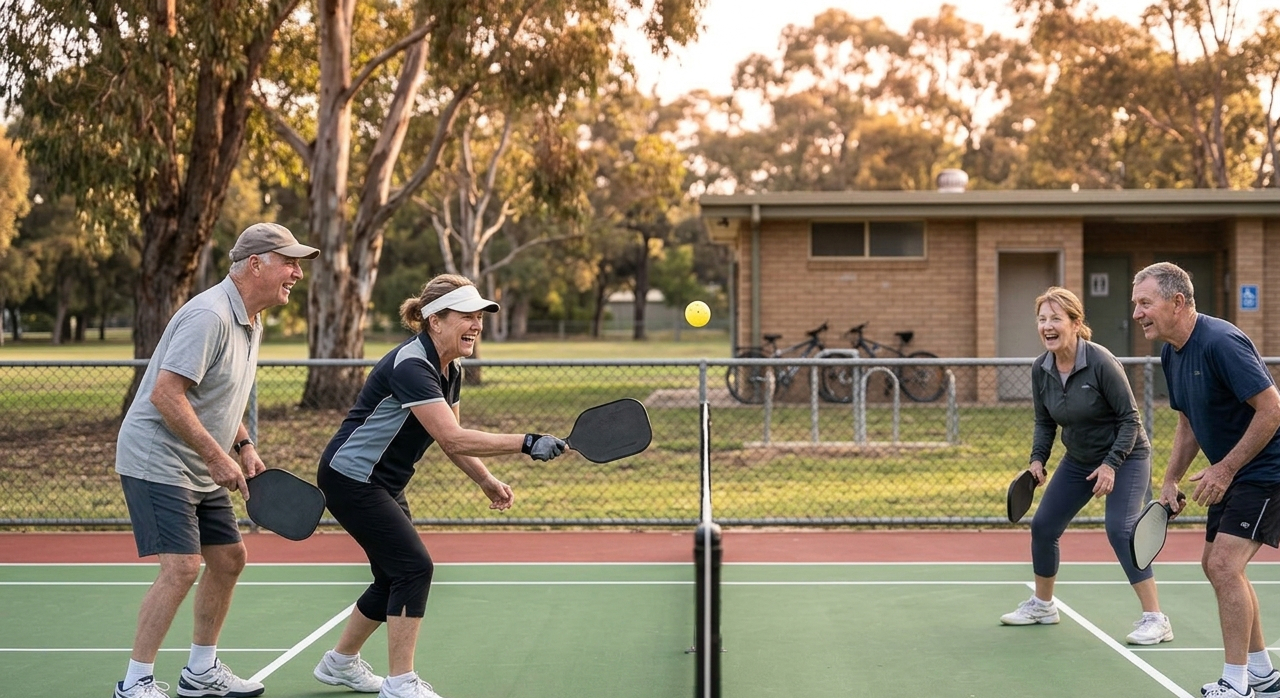
The morning weekday sessions (typically 9am to 11am) skew towards retired players and attract a consistently friendly, experienced crowd. Evening and weekend sessions are more mixed in terms of age and skill. Both are worthwhile; they just have different vibes.
Competitive Play and Club Leagues
Melbourne has an active competitive community with club-run ladders, internal competitions, and grading systems that let players track their development. If you want structure and stakes — a real ladder where wins and losses mean something — the dedicated clubs in the city’s middle-ring suburbs are where you’ll find it.
Formal competitions and interclub tournaments have grown substantially, with several Melbourne-based events now drawing interstate entrants. Players serious about competing should look for clubs affiliated with Pickleball Australia at the state level, as these tend to run graded competitions with consistent rules and court standards.
For competitive players relocating to Melbourne or visiting from interstate, checking which venues offer DUPR-rated play is worthwhile. A handful of Melbourne facilities now support this rating system, which means your competitive history follows you wherever you play.
What to Look for When Choosing a Court
Beyond location, a few things separate a great pickleball venue from a frustrating one. Court surface matters — textured hardcourt holds a bounce better than worn, slick concrete. Permanent nets at the correct height save significant setup time and play better than improvised alternatives.
Lighting is the other major differentiator for evening play. A well-lit indoor facility is obviously preferable to squinting through shadows outdoors, but outdoor courts with quality floodlighting can extend your playing window significantly, especially in the shorter winter days.
Community quality is harder to quantify but arguably the most important factor. The best courts in Melbourne are the ones with an engaged regular community — players who’ll give you an honest game, welcome you back, and let you know when the good sessions are.
Explore the full list of Melbourne pickleball courts with details on court type, amenities, and session formats across the metro.
Where to Start
The fastest way to find a court that suits your schedule and level is to use the directory. Melbourne’s listings cover dedicated indoor centres, council-managed outdoor courts, and community club venues across the metro — from the bay suburbs in the south to the growth corridors in the north and west. Filter by features like indoor courts, lighting, and casual access to narrow it down quickly.
If you’re brand new to the sport, prioritise finding a venue with a beginner-friendly session first. Get a few games under your belt, pick up a paddle that suits your grip, and the rest follows naturally. Melbourne’s pickleball community is large enough to support every level of play — finding your place in it just takes showing up.