Perth has one of the fastest-growing pickleball communities in Australia — and for good reason. The city’s weather is almost embarrassingly good for outdoor sport, the leisure centre network is well funded, and a wave of community clubs has sprung up across the northern suburbs, the inner city, and down the coast to Fremantle. Whether you’re picking up a paddle for the first time or looking for a competitive round-robin, Perth has somewhere for you.
Here’s a practical rundown of what to expect, what to look for, and where to head first.
Why Perth Is a Great City for Pickleball
Ask any Perth player what they love about the local scene and the answer is usually the same: the social culture is genuinely welcoming. Unlike some cities where competitive club players can make beginners feel unwelcome, Perth’s pickleball community has grown organically through word-of-mouth and a lot of casual “come and try” sessions. The sport arrived here in earnest around 2021–2022, which means there are still plenty of players who remember their own first-time nerves — and that shows in how newcomers are treated.
The city’s geography helps too. The strip running from Joondalup in the north through to Fremantle in the south covers enormous diversity in venue type. You’ll find air-conditioned indoor centres perfect for Perth’s brutal summer afternoons, floodlit outdoor courts for evening play in the cooler months, and everything in between.
What to Look for in a Perth Pickleball Venue
Not all courts are created equal. Before committing to a regular venue, it’s worth checking a few things.
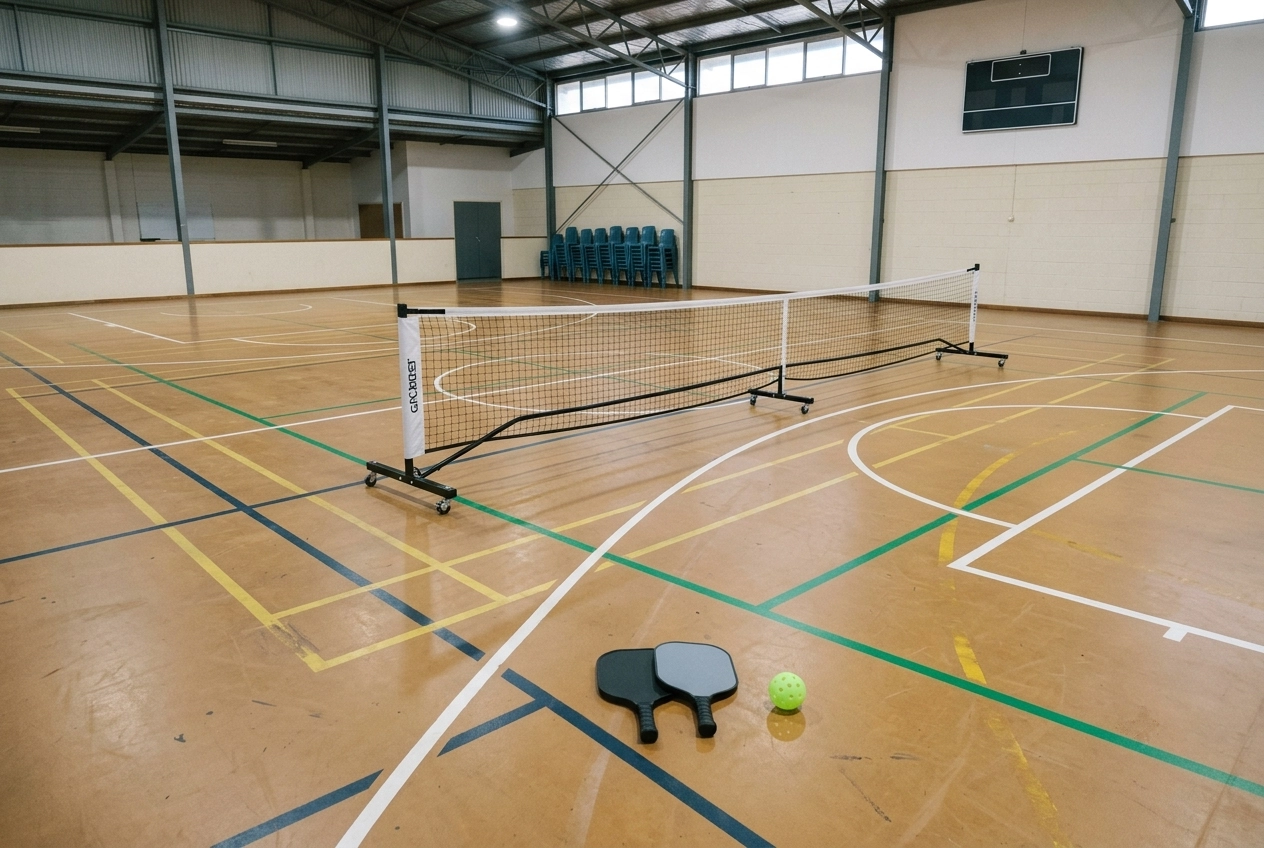
Surface type matters more than most beginners expect. Dedicated pickleball surfaces (low-pile carpet or purpose-laid acrylic) are far kinder on your joints than old wooden stadium floors or repurposed netball courts. Many of Perth’s older leisure centres are still running sessions on converted badminton and basketball courts — perfectly playable, but worth knowing in advance if you have knee issues.
Net quality varies widely too. Permanent outdoor nets and proper indoor nets with centre straps are a small detail that makes a real difference to the quality of play, especially as you develop.
Session structure is the other big variable. Some venues run open social sessions where you rotate in and out depending on who’s waiting (the standard “winners stay” format). Others run structured ladder sessions with organised games and scorecards. Beginners often do better starting with open social play, while more experienced players tend to gravitate toward structured formats where they can measure progress.
Options for Beginners
If you’ve never held a pickleball paddle before, the best thing you can do is find a venue that runs dedicated beginner or “come and try” sessions. Several of Perth’s leisure centres and community clubs host these on weekday mornings or Saturday afternoons, often with loaner equipment included in the session fee.
Expect to pay somewhere in the range of $10–$18 for a beginner social session, with loaner paddles and balls typically included. Some venues ask you to register online in advance; others take walk-ins. It’s always worth calling ahead.
The northern suburbs — Joondalup, Wanneroo, and surrounding areas — have developed a particularly strong beginner pipeline, with multiple clubs running weekly introduction sessions. The inner-city area around Leederville and Subiaco also has options, particularly in multi-sport leisure centres that added pickleball courts in 2023–2025 as demand spiked.
You can browse beginner-friendly venues across Perth in the full Perth court listings on this site.
Social and Casual Play
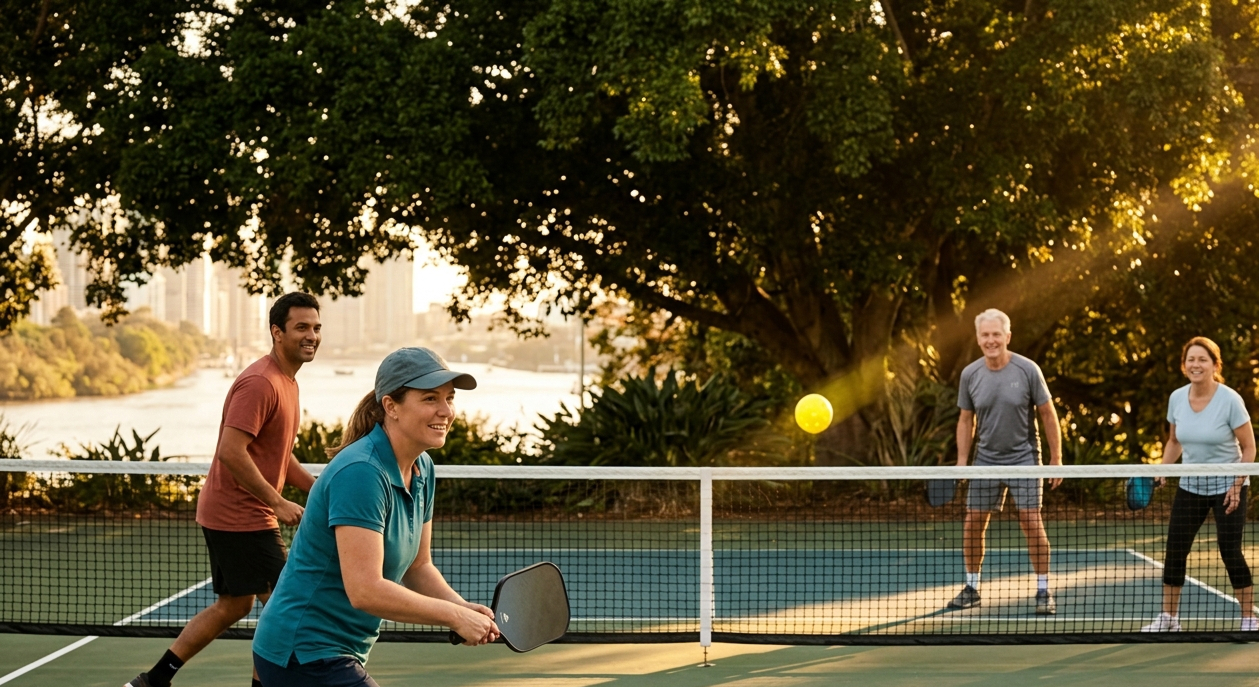
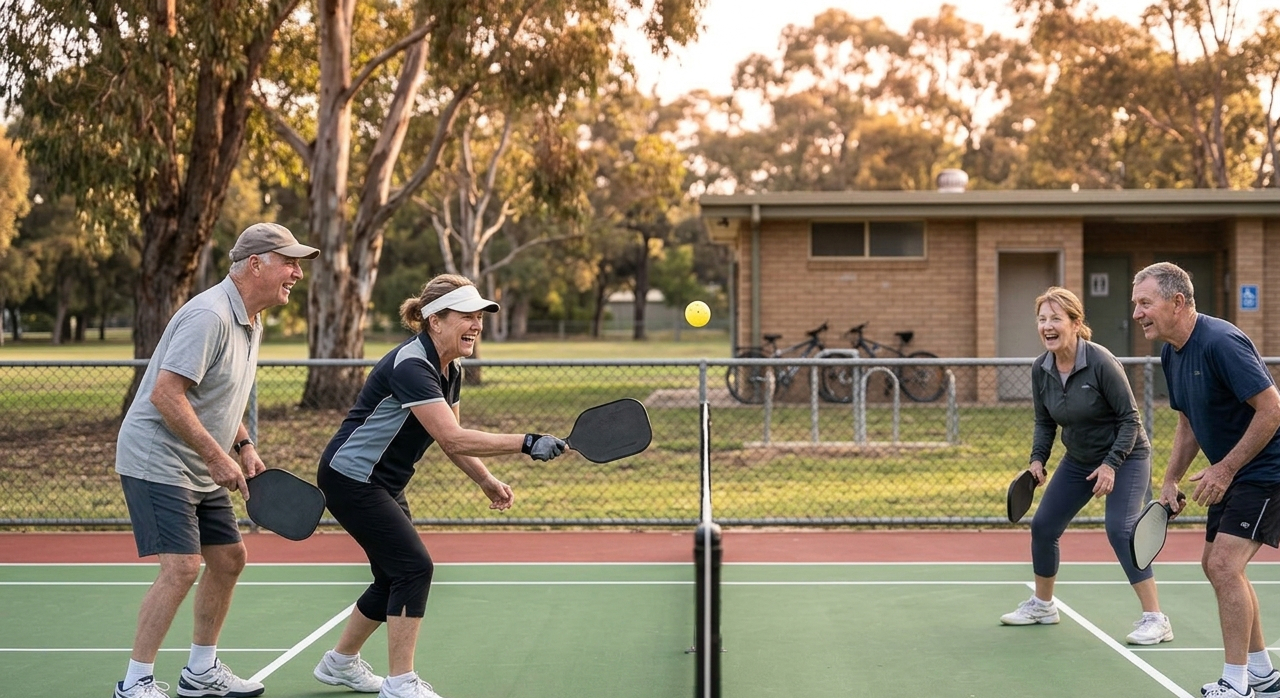
The heart of Perth’s pickleball scene is its social sessions. Most clubs and leisure centres run at least two to three social sessions per week — one weekday morning session that tends to attract retired players and shift workers, and at least one weekend session that draws a broader mixed-age crowd.
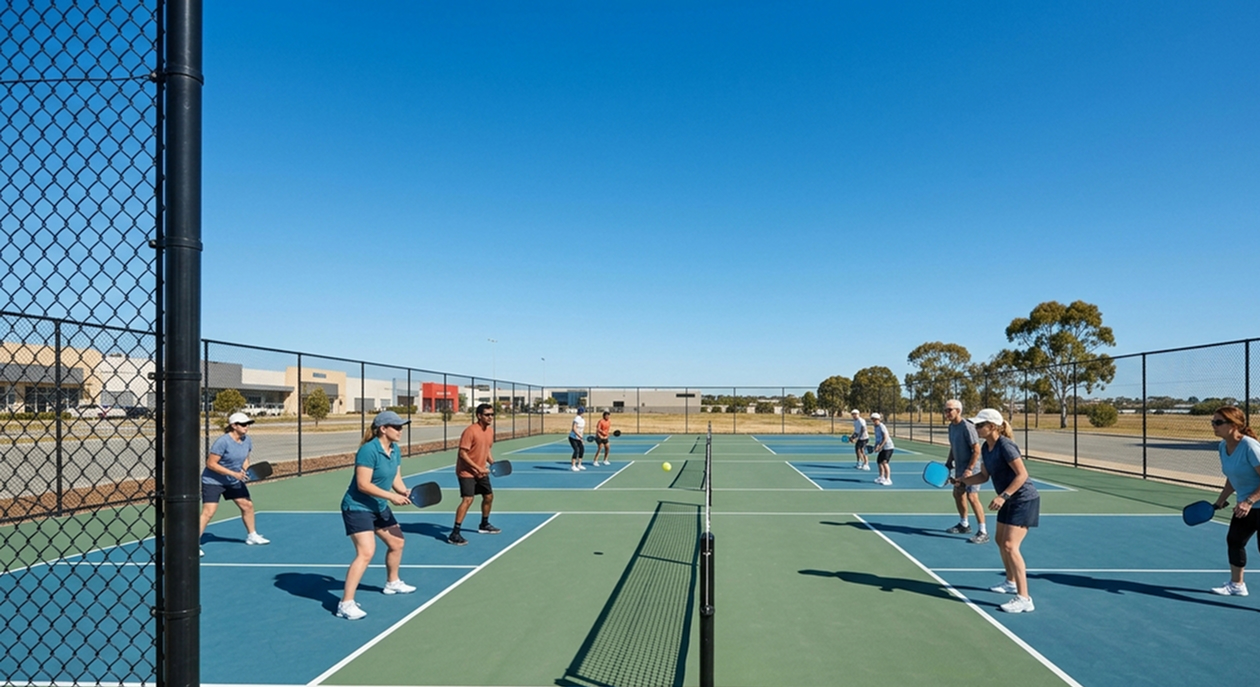
Social sessions typically cost between $12 and $22 per person depending on the venue and whether it’s a council-run facility or a private club. Some clubs bundle court time and coaching into a single fee; others charge separately. Courts-per-session availability varies — a facility with six to eight dedicated courts will comfortably run 30–40 players through a two-hour session using a rotation system, while smaller venues with two or three courts will cap attendance more tightly.
Evening sessions under floodlights are increasingly popular as more outdoor courts get lighting infrastructure. In Perth’s mild autumn and winter, a floodlit outdoor session at 6pm is genuinely one of the better ways to spend a Thursday night.
Fremantle and the southern suburbs have seen strong growth in social play over the last 18 months, with several community centres converting underused outdoor spaces into multi-court pickleball facilities. The atmosphere at these venues tends to be relaxed and community-focused — often with a coffee or post-game social element built in.
Competitive and Club Play
Perth’s competitive scene has matured quickly. Several clubs now run weekly round-robin competitions with skill-banded divisions, allowing players at different levels to compete against appropriate opposition. These sessions typically cost a little more — expect $18–$28 per session — and usually require pre-registration as spots fill up.
If you’re chasing ranking points or want to prepare for state or national tournaments, look for clubs affiliated with Pickleball Australia’s state body. These affiliates run structured ladder competitions and host sanctioned tournaments throughout the year. Perth has hosted several large local tournaments in the past two years, and the competitive calendar is only growing.
For players who want to train seriously, a handful of venues now offer coaching clinics run by qualified instructors — usually in small groups of six to ten players, with video analysis and structured skill development. These clinics typically run $35–$60 per person for a 90-minute session.
Indoor vs Outdoor Courts
Perth’s summer heat (regularly above 35°C from December through March) makes indoor courts genuinely important for year-round play. The city’s leisure centres tend to be the main providers of air-conditioned indoor space, with dedicated pickleball lines marked on multi-sport floors. Courts at these venues are reliable, well-maintained, and easy to book through the centre’s online portal.
Outdoor courts are a different proposition — Perth’s spring and autumn are close to perfect for outdoor pickleball, and a well-surfaced outdoor court with good lighting is a pleasure to play on. Many of the community-driven outdoor facilities that have emerged in the last two years offer a more social, informal atmosphere than their indoor counterparts.
The Perth court directory includes filters for indoor and outdoor venues so you can find what suits your preferences and the season.
What to Bring
Most venues provide balls, and many will loan paddles for beginners. If you’re playing regularly, investing in your own paddle — even a mid-range model in the $80–$180 range — makes a noticeable difference to your game and hygiene-wise is just more comfortable.
Flat-soled court shoes are strongly recommended. Running shoes work in a pinch but offer less lateral support. Sunscreen and a hat are non-negotiable for outdoor sessions, even in shoulder seasons — this is Perth, after all.
Where to Start
The easiest first step is to find a session near you, check the booking requirements, and show up. Perth’s pickleball community is friendly enough that turning up without knowing anyone will get you a game within about ten minutes.
Browse the full list of pickleball courts in Perth to find venues by suburb, session type, and facility features. You can also explore all courts across Western Australia if you’re willing to travel a little further for the right session.
Perth’s scene is still growing — new courts and clubs are being added regularly — so it’s worth checking back if nothing near you looks quite right yet. The sport is expanding faster here than almost anywhere else in the country.