Pickleball is one of the fastest-growing sports in Australia — and one of the reasons it keeps spreading is that almost anyone can play it. That includes kids. The court is smaller than a tennis court, the ball moves slower, and the rules are simple enough to grasp in about ten minutes. For families looking for a sport the whole household can enjoy together, pickleball is hard to beat.
This guide covers everything parents need to know: what age to start, where to find junior sessions, what equipment to buy, and how the junior scene in Australia is shaping up.
What Age Can Kids Start Playing?
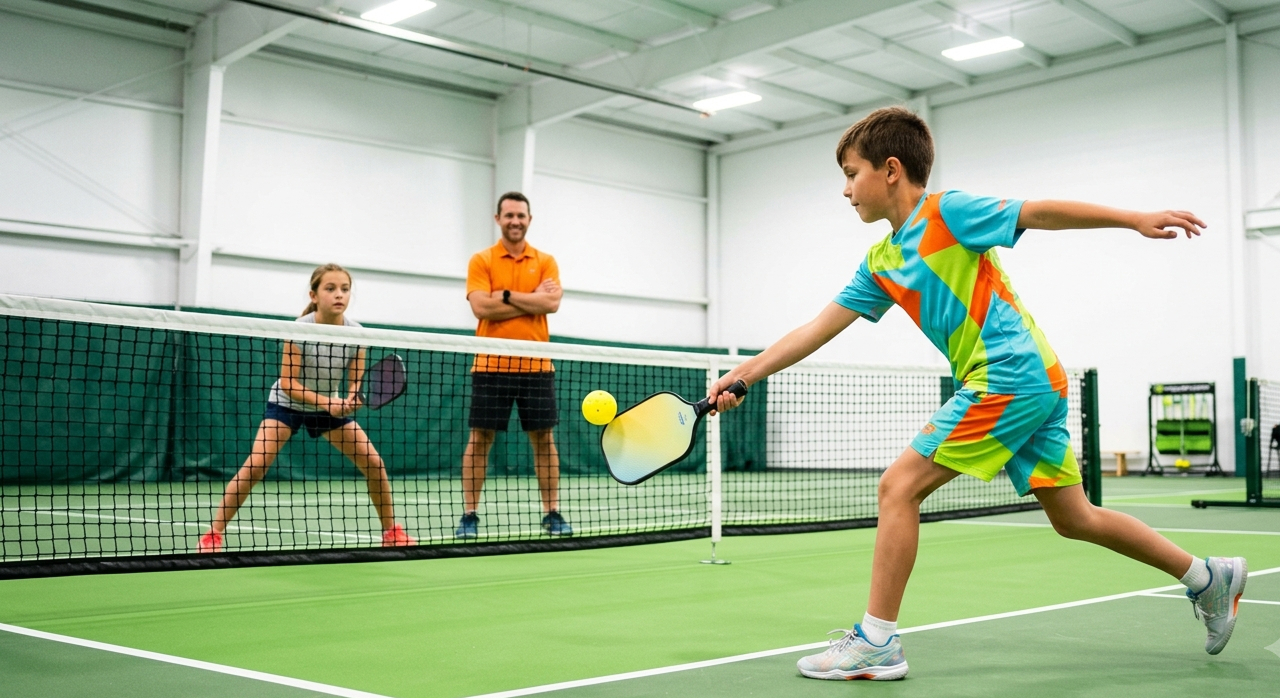
There’s no hard floor. Children as young as five or six can hit a pickleball around with a parent in an informal setting — the plastic ball is light and the paddle isn’t heavy. That said, most organised junior programmes start around age eight, when kids have enough coordination to learn the core skills (dinking, serving, and basic positioning) and can follow simple rules without constant supervision.
The sweet spot for getting serious is roughly ten to fourteen. Kids in this range pick up the game quickly, can participate in structured drills, and are old enough to enter junior tournaments. Teenagers who are already playing tennis or badminton often transition to pickleball very fast — the hand-eye skills transfer directly.
The good news is that pickleball has no minimum age for social play. If your seven-year-old wants to come to a family session on a Saturday morning, most venues are happy to have them.
Why Pickleball Works for Kids
A big part of the sport’s appeal for younger players is that the learning curve isn’t steep. In tennis, a beginner can spend weeks just trying to get the ball over the net consistently. In pickleball, most kids are rallying with a parent within half an hour. That immediate sense of success keeps them coming back.
The smaller court also means less running, which sounds counterintuitive until you realise it means more ball contact per session. Kids aren’t chasing down wide shots the whole time — they’re actually playing.
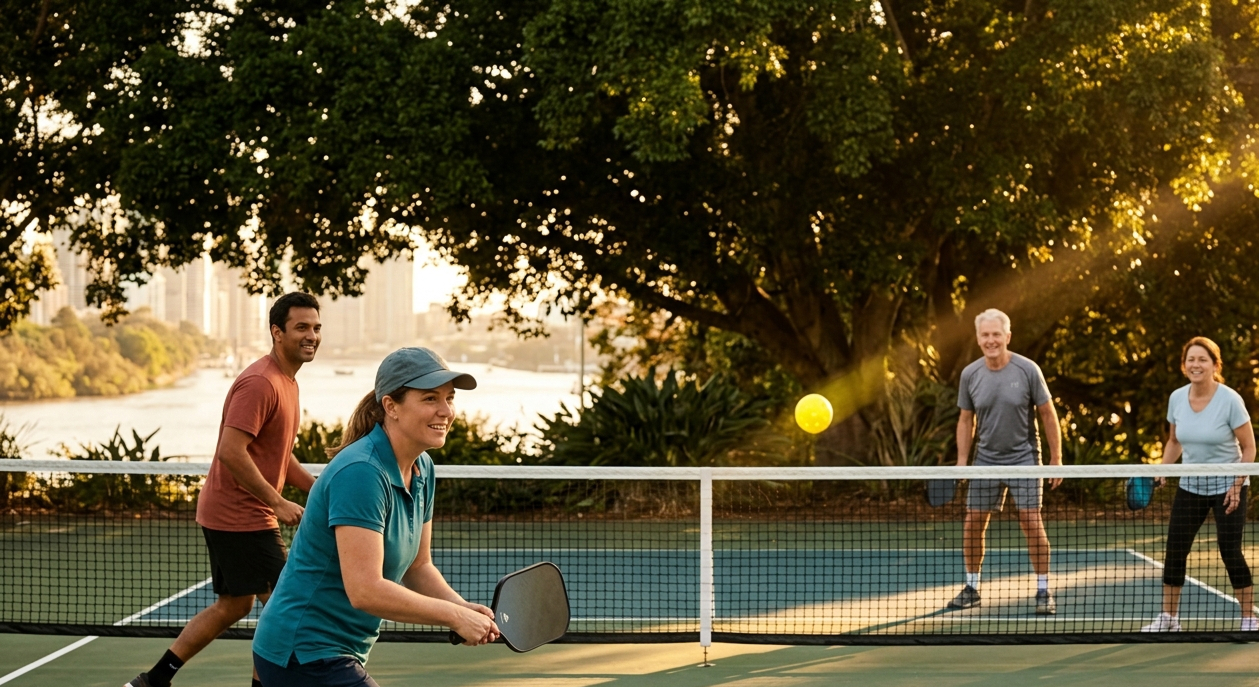
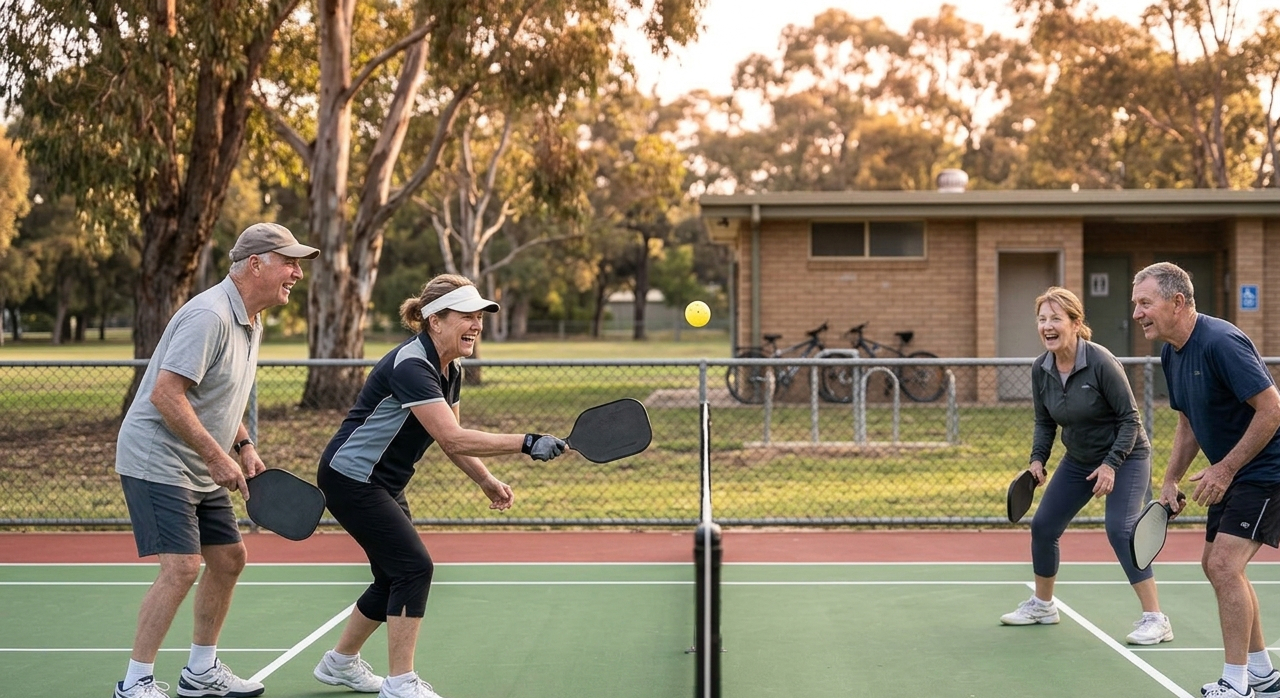
From a social angle, pickleball lends itself to mixed-age play. It’s genuinely common to see a twelve-year-old competing on equal terms with adults. That’s unusual in most sports, and kids love it. It gives them a chance to play with older family members in a way that’s fun rather than patronising.
Finding Junior Sessions in Australia
Dedicated junior pickleball programmes are still emerging in Australia, but they’re growing. Many community recreation centres and sporting clubs now run school-holiday clinics and after-school sessions specifically for juniors. These sessions typically last sixty to ninety minutes and cost somewhere between $14 and $25 per child, often including paddle hire.
Pickleball Australia (the national body) has been actively working with state associations to establish junior pathways. Several states now run junior state championships, and a national junior circuit is in early development. If your child wants to compete, the path exists — it’s just less established than the adult competition scene.
For families getting started, the most practical approach is to look for venues that offer:
- A “beginner-friendly” or “all-ages” session rather than an adults-only social
- Court hire options so you can book a court and practise on your own terms
- Holiday programmes, which are often cheaper per session than weekly coaching
You can browse verified courts near you — including ones that list junior or family-friendly sessions — through our national court directory.
What to Buy: Junior Pickleball Equipment
Getting the equipment right for a child is worth a bit of thought. Adult paddles are generally too heavy and long-handled for younger players, which leads to bad habits and sometimes wrist strain.
Junior paddles are designed with a shorter grip, lighter weight (typically 180–220g), and a smaller overall length. You’ll pay $40–$80 for a decent entry-level junior paddle from brands like Selkirk, Paddletek, or local Australian suppliers. For a casual beginner, anything in this range is perfectly adequate.
If your child gets serious and starts competing, it’s worth upgrading to a better paddle — expect to spend $100–$180 for a mid-range composite paddle with better touch and control. There’s no need to go above this for a junior player; the premium $250+ paddles are overkill until they’re well into competitive play.
Balls: Pickleballs come in two varieties — indoor (softer, larger holes) and outdoor (harder, smaller holes, more durable). Most junior sessions in Australia use outdoor balls. A tube of three balls costs around $15–$25 and lasts a long time for casual play.
Shoes: Lateral support matters. Court shoes — the kind used for tennis or badminton — are ideal. Running shoes can do in a pinch for beginners, but as your child plays more, proper court shoes make a real difference in comfort and injury prevention. Budget $60–$120 for a decent pair.
Clothing: No specific gear required. Activewear or sports clothes that allow free movement are fine.
Pickleball in Schools
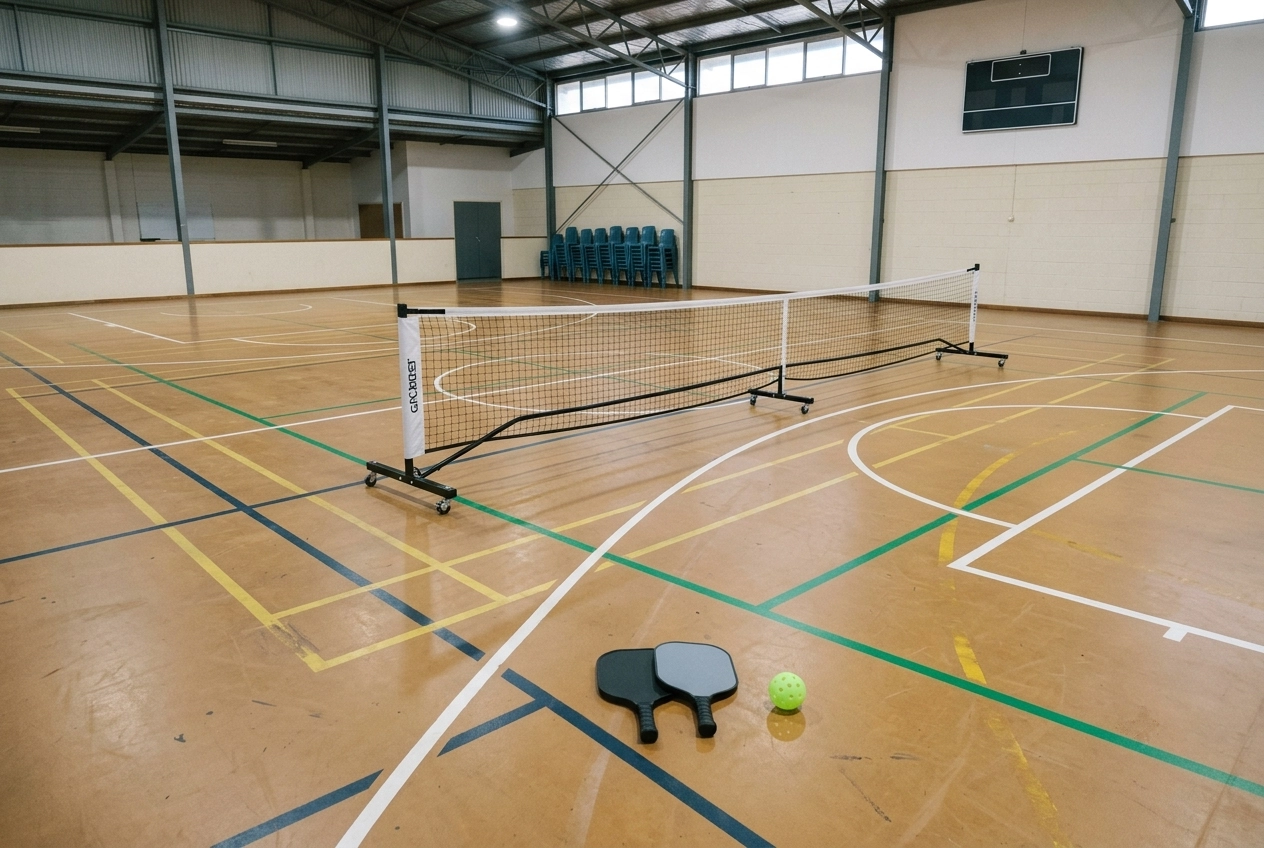
A number of Australian primary and high schools have introduced pickleball as part of their PE curriculum, primarily because it’s inexpensive to set up (you only need a net and some paddles), accessible to kids of different athletic abilities, and easy to run in a gymnasium. If your child’s school doesn’t offer it, it’s worth raising with the PE coordinator — the Pickleball Australia schools programme provides resources and subsidised equipment to make it easier for schools to get started.
Junior Tournaments and Competitive Play
For kids who want to compete, the junior tournament scene is concentrated in New South Wales, Victoria, and Queensland, where the overall pickleball community is largest. Junior divisions at club-level tournaments typically start at under-12, under-16, and under-19. Entry fees are usually $25–$50 per event.
State associations are the best place to find upcoming junior events. National-level junior competition is still in its early stages, but it’s progressing quickly — the sport’s rapid adult growth has created real momentum for building a junior pathway alongside it.
If your child is competitive by nature and enjoys racquet sports, it’s worth registering them with the relevant state pickleball association. You’ll get notified about events, coaching programmes, and any junior squads that form.
Playing Together as a Family
One of pickleball’s genuine strengths as a family sport is that it doesn’t require separate courts, separate sessions, or separate skill groups for the mix to work. A parent with solid tennis experience can play meaningfully with a nine-year-old who’s been playing for a month, as long as the parent plays to the child’s level. The kitchen (the non-volley zone) naturally limits aggressive power play and rewards consistency and placement — skills that develop quickly in younger players.
Booking a court as a family is usually straightforward. Most venues charge court hire by the hour — typically $20–$40 for a court, with paddles and balls available to rent if you don’t have your own.
Where to Start
The simplest first step is finding a court near you that offers beginner or family-friendly sessions. Our court directory covers venues across Australia — filter by your state or city to find options local to you. Many listings include session details so you can tell at a glance whether a venue caters to juniors.
If you’re in a major city, there’s a good chance a school-holiday clinic is running nearby in the coming months. If you’re in a regional area, court hire and informal family play is the most practical starting point while the junior programme network continues to grow.
Either way, the entry barrier is low. Borrow a couple of paddles, find a court, and give it an hour. Most kids are hooked by the end of the first session.